
.svg)
META: How equipment failures and poor processing machinery cause post-harvest food losses in Malawi, and practical steps farmers can take to reduce losses. | KEYWORDS: post-harvest losses Malawi, maize storage Malawi, grain loss Malawi farming, post-harvest equipment Malawi, reduce food waste Malawi farming
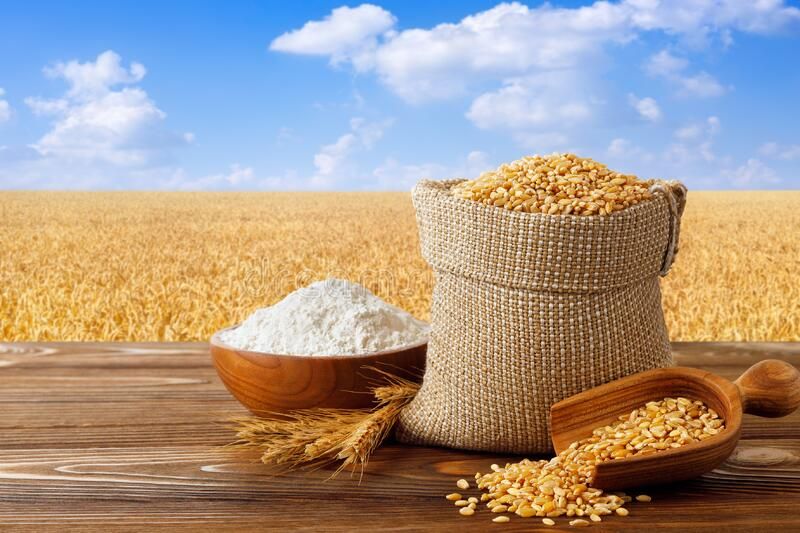
Malawi loses an estimated 15 to 20 percent of its annual maize crop to post-harvest losses. This is not a natural or inevitable figure. It is the result of inadequate processing infrastructure, poorly maintained equipment, inappropriate storage, and timing failures — breakdowns at critical processing moments that delay processing beyond the window where quality can be maintained. These are problems with practical, equipment-centred solutions.
Threshing and Shelling
Losses during threshing and shelling — the separation of grain from cob or stalk — arise from equipment that breaks grains rather than cleaning them, leaving high breakage rates that accelerate mould growth in storage, and from throughput limitations that delay processing beyond optimal moisture content windows.
Milling and Processing
A mill breakdown at harvest time forces farmers to store unmilled grain longer than desirable. If the delay is more than a few weeks and storage conditions are not ideal — and in most smallholder contexts they are not — grain quality deteriorates. Moisture absorption, insect activity, and mould development during the delay are quality-degrading processes that directly reduce the sale value of the processed product.
Storage Equipment Limitations
Metal silos and hermetic storage bags dramatically reduce post-harvest losses compared to open storage. Both technologies are available in Malawi but adoption remains limited. A metal silo sized for a smallholder's production capacity is a durable, one-time investment that returns its cost through reduced losses within one to two seasons.
Reliable Milling Capacity
The single most effective equipment investment for reducing post-harvest losses in maize-producing communities is reliable, accessible milling capacity. A mill that is properly maintained and available immediately at harvest time allows farmers to process grain at peak quality and moisture content. A mill that is frequently broken forces delays that cost quality and value.
Diesel Engines as Reliable Drive Sources
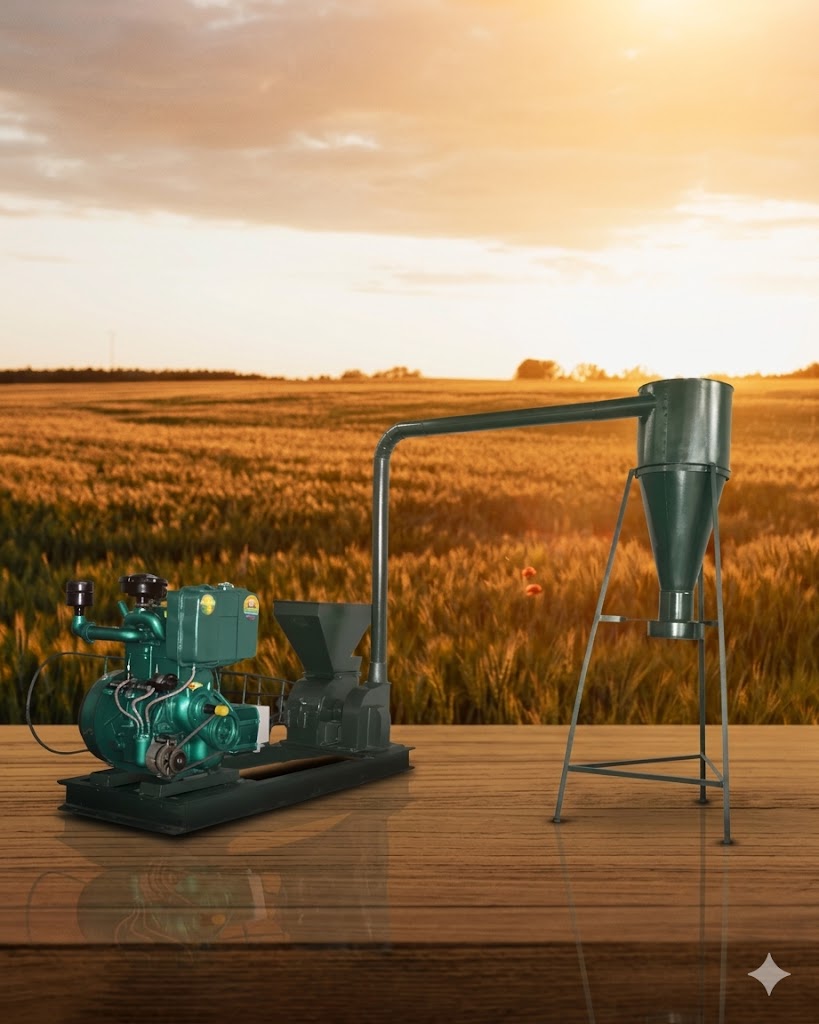
For processing equipment driven by diesel engines — mills, shellers, threshers — the reliability of the engine determines the reliability of the processing operation. A well-maintained diesel engine is consistently available. A neglected one fails at the worst time. The maintenance investment is small relative to the loss it prevents.
Agason Motors manufactures and supplies maize mills, groundnut shellers, and agricultural processing equipment across Malawi. We stock the parts and provide the servicing to keep this equipment operational through every processing season.
Invest in reliable processing equipment. agasonmotors.com | WhatsApp Us | agasonmotorsmw@gmail.com

Free Delivery on orders above 100,000 within blantyre, Free Delivery on orders above 300,000 nationwide

Safe shopping guaranteed Protected via Pawapay

We are always ready to support you

Pay for purchases securely with a choice of convenient methods