

.svg)
META: Complete tyre maintenance guide for Malawian drivers and fleet managers — pressure checking, rotation schedules, tread wear monitoring, and replacement decision guidance. | KEYWORDS: tyre maintenance Malawi, tyre pressure Malawi, when to replace tyres Malawi, tyre rotation Malawi, car tyres Malawi
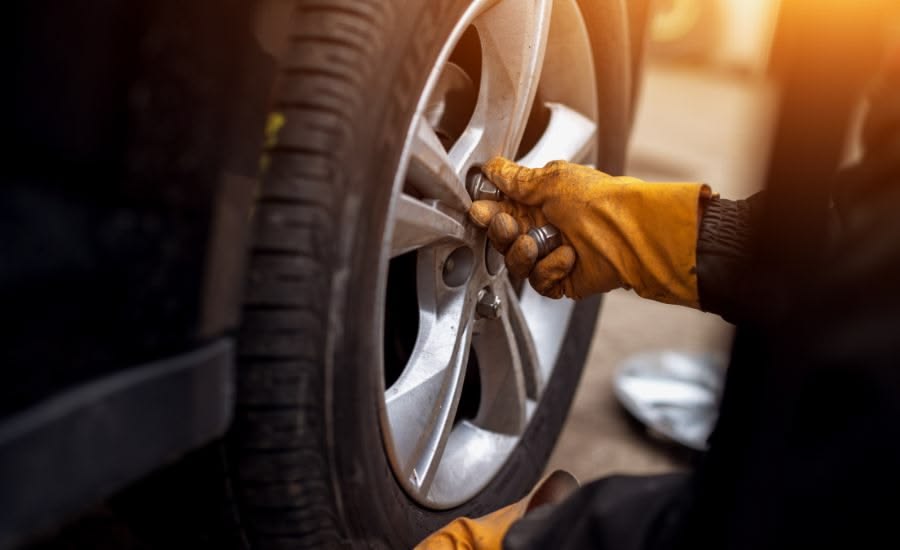
Tyres are the only contact between a vehicle and the road. On Malawi's roads — potholed surfaces, loose gravel, sudden debris, and the vehicle handling requirements of unpredictable traffic — tyre condition is a direct safety issue, not just a maintenance one. This guide covers everything needed to maintain tyres correctly in Malawian conditions.
Correct tyre pressure is the single maintenance action with the most impact on tyre life, fuel consumption, and vehicle safety. Check pressure weekly, before driving when tyres are cold — after driving, thermal expansion gives a false high reading. The correct pressure is on the driver's door jamb or in the owner's manual, not on the tyre sidewall (which shows maximum pressure, not recommended operating pressure).
Underinflation is the most common and most damaging pressure error. A tyre running at 20 percent below specification flexes excessively on each rotation, generating heat that degrades the rubber compound and risks tyre failure, while also increasing fuel consumption and causing uneven tread wear on the tyre shoulders.
Rotate tyres every 10,000 km. Rotation — moving tyres between positions on the vehicle — distributes wear evenly across all four tyres rather than allowing the front or drive tyres to wear faster than the others. On rear-wheel drive vehicles, the rear tyres carry the driving force and wear faster without rotation. On front-wheel drive vehicles (most modern passenger cars), the front tyres carry both the driving force and the steering load and typically wear faster than the rear.
The legal minimum tread depth in most jurisdictions is 1.6mm across the central three-quarters of the tread width. At this depth, wet-weather braking performance has already degraded significantly from a new tyre. In Malawi, where sudden heavy rain creates rapidly flooded road surfaces, replacing tyres at 3mm remaining tread rather than waiting for the legal minimum is the safer practice.
Tread wear indicators — small raised bars moulded into the tread grooves — become visible when tread depth reaches approximately 1.6mm. When these indicators are flush with the surrounding tread surface, the tyre is at the legal minimum and must be replaced.
After any significant pothole impact, inspect the affected tyre for sidewall damage — specifically sidewall bulging, which indicates internal structural damage. A sidewall bulge is a risk of sudden blowout under load. Do not continue driving on a tyre with a sidewall bulge.
Agason Motors stocks a range of tyres for commercial vehicles and agricultural equipment, along with tyre service accessories. Our team can advise on the correct specification for your vehicle and operating conditions.
Maintain your tyres with genuine products from agasonmotors.com | WhatsApp Us | agasonmotorsmw@gmail.com

Free Delivery on orders above 100,000 within blantyre, Free Delivery on orders above 300,000 nationwide

Safe shopping guaranteed Protected via Pawapay

We are always ready to support you

Pay for purchases securely with a choice of convenient methods